
What Happens If You Hide Information in Bankruptcy?
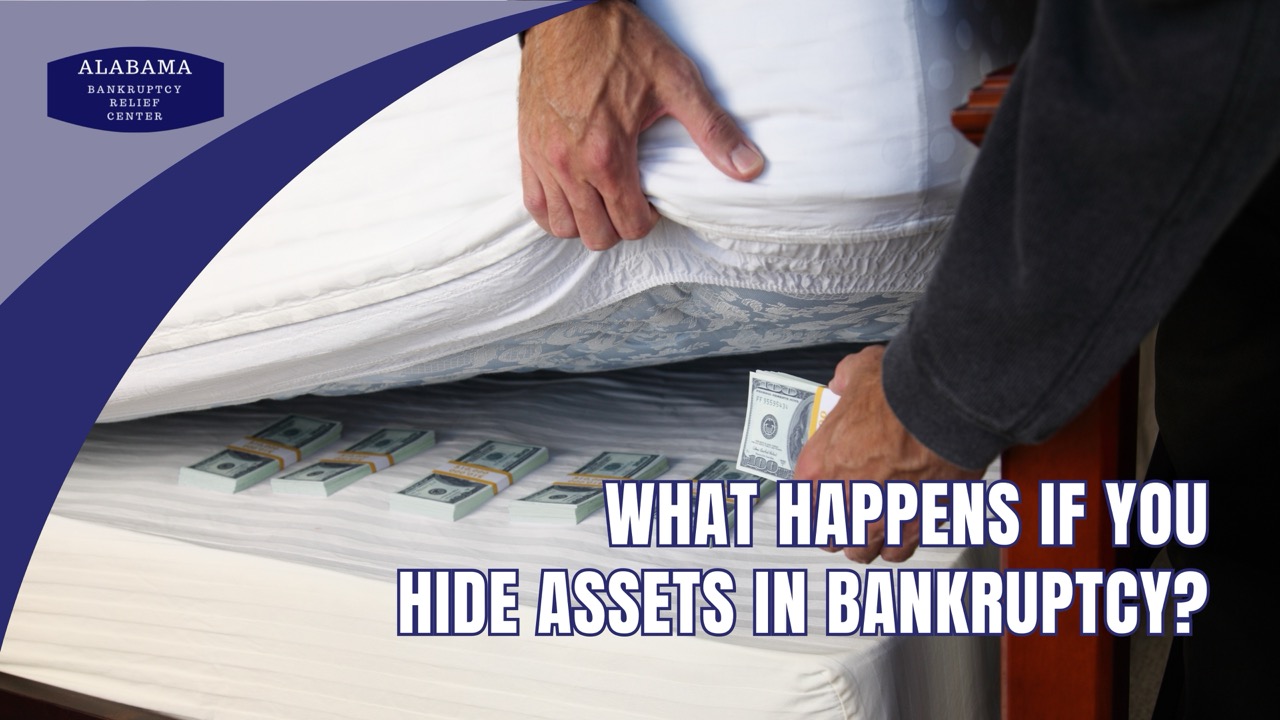
When preparing to file for bankruptcy in Alabama, it may be tempting to leave certain details off your paperwork. Maybe you are worried about losing property, embarrassed about a side income, or unsure whether a certain asset really matters. However, honesty is one of the most important parts of the bankruptcy process.
Bankruptcy is designed to give honest individuals a fresh financial start, but the process depends on full and accurate disclosure. When you file bankruptcy paperwork, you are signing legal documents under penalty of perjury. That means the information you provide must be truthful, complete, and accurate. Bankruptcy fraud can involve false statements, concealing property, or other dishonest actions, and official bankruptcy forms warn that fraud may result in serious penalties, including fines or imprisonment.
In this article, we’ll explain why hiding information in bankruptcy is a serious mistake, what can happen if something is left out, and why working with the right attorney can help you correct honest mistakes before they become bigger problems.
Honesty Is Legally Required
When you file for bankruptcy, you are not just filling out ordinary paperwork. You are signing legal documents under penalty of perjury. That means the information you provide must be truthful, complete, and accurate to the best of your knowledge. You are required to disclose your financial situation. This generally includes your income, expenses, assets, debts, recent financial transactions, and other relevant information. These details help the bankruptcy court, trustee, and creditors understand your financial picture.
Leaving something out on purpose can create serious consequences. Depending on the situation, hiding information may lead to the dismissal of your case, denial or loss of your discharge, or even allegations of bankruptcy fraud. Under the Bankruptcy Code, a discharge can be denied in certain situations involving concealment of property, false statements, or other improper conduct.
A bankruptcy discharge is often the main goal of filing because it can eliminate certain qualifying debts and help you move forward. Losing that opportunity because of incomplete or dishonest paperwork can be far more damaging than simply being upfront from the beginning.
The Trustee May Find Out
Some people assume that if they do not list an asset, income source, or transfer, no one will know. That is a risky assumption.
Bankruptcy trustees review the information provided in a case and may compare it with other available records. They may examine things such as:
- Bank accounts
- Tax records
- Pay stubs
- Credit reports
- Vehicle ownership
- Real estate records
- Business or side income
- Transfers of money or property
- Lawsuits or claims you may have
For example, if someone fails to mention a second vehicle, a recently sold item, a small business, side income, or money transferred to a relative before filing, that information may still come to light. Public records, financial statements, tax returns, and creditor information can all reveal details that were not included in the original paperwork. What may feel like a small omission can raise bigger questions about whether the filer is being honest.
Hiding Assets Can Put Your Case at Risk
One common mistake is assuming that an asset does not need to be listed because the filer thinks it has little value or believes it is protected. However, your attorney needs to know about your property so they can determine how it should be handled in your case.
Not every asset automatically creates a problem. Some property may be protected through available exemptions, depending on the type of bankruptcy, the value of the property, and the applicable law. In Chapter 7 bankruptcy, for example, the Bankruptcy Code allows debtors to keep certain exempt property, while non-exempt property may be subject to liquidation by the trustee.
This is why it is better to disclose everything. Your attorney cannot help protect or properly address something they do not know exists.
Honest Mistakes Can Usually Be Corrected
There is an important difference between intentionally hiding information and making an honest mistake.
Bankruptcy paperwork is detailed, and many people are overwhelmed when gathering financial documents. It is possible to forget an old account, miss a small debt, overlook a side job, or misunderstand whether something should be listed. If you realize something was left out, the best thing to do is tell your attorney right away.
In many cases, honest mistakes can be corrected through amended paperwork or additional disclosures. The key is addressing the issue quickly and transparently. Trying to cover up the mistake can create far more serious problems than the original omission.
Your Attorney Can Only Help If They Know the Full Story
Bankruptcy attorneys are not there to judge you. Their role is to help you understand your options, prepare accurate paperwork, and guide you through the process as smoothly as possible.
Being honest with your attorney allows them to identify potential issues before your case is filed. This may include reviewing assets, income, recent transfers, lawsuits, tax refunds, business interests, inheritances, or other financial details that could affect your case.
Bankruptcy law has rules and protections, but those protections work best when the process starts with complete and accurate information. The more complete your information is, the better your attorney can help you make informed decisions.
Transparency is one of the best protections you have in bankruptcy. Hiding information can put your case, your discharge, and your fresh start at risk. But when you are honest, prepared, and working with the right legal team, bankruptcy can be a powerful step toward rebuilding your financial future.
If you are considering bankruptcy in Alabama, Alabama Bankruptcy Relief Center can help you understand what needs to be disclosed and how to move forward the right way.
Call us today at 205-875-8197 or use our contact form to schedule your free case evaluation and to get started with confidence.
 Attorney Matt Davis
A recognized trial lawyer and author of multiple books, Attorney Matthew Davis saw a need in the community to help people reclaim their financial freedom. He founded the Alabama Bankruptcy Relief Center with the purpose of helping the people of Alabama fulfill this mission. Read more

Find out how you can achieve financial freedom through bankruptcy.
Get your FREE book today!
Click Here

Hours
Monday-Friday 9am-5pm
Saturday-Sunday
by Appointment

Contacts
Email: help@alabamabankruptcyrelief.com
Tel: 205-440-3113
Fax: 205-564-0532
Other: 205-708-0320